
Estimated Reading Time: 3 minutes
Winter Footwear Guide for Those Experiencing Peripheral Neuropathy
Winter can be a challenging season for anyone, but for those dealing with peripheral neuropathy, staying comfortable and safe becomes especially important.
Choosing the right footwear is crucial to maintaining warmth, stability, and comfort during the colder months. At Nerve Renewal Neuropathy Clinic, we understand the importance of keeping your feet protected, particularly when dealing with numbness, tingling, or pain. That’s why we’ve put together this guide to help you choose the best winter footwear.
1. Prioritize Comfort and Cushioning
Peripheral neuropathy often brings pain, tingling, or numbness in the feet, making it crucial to choose footwear with sufficient cushioning. Look for boots that provide ample padding in the soles and around the foot to ensure comfort with every step, paying close attention to your good support in your arches and confirming that the ball of your foot is not absorbing excessive shock. Shoes with memory foam or extra-soft insoles can help absorb shock and reduce pressure on sensitive areas of your feet.
2. Go for Insulated Footwear
Keeping your feet warm is essential in winter, especially for individuals with neuropathy, where circulation might already be impaired. Insulated boots lined with materials like shearling, fleece, or Thinsulate (often found in shoes made by: Blundstone, Teva, and Cabela’s) are excellent options. These linings help to keep your feet warm without the bulk, ensuring you stay comfortable even on the coldest days.
3. Choose Non-Slip Soles for Stability
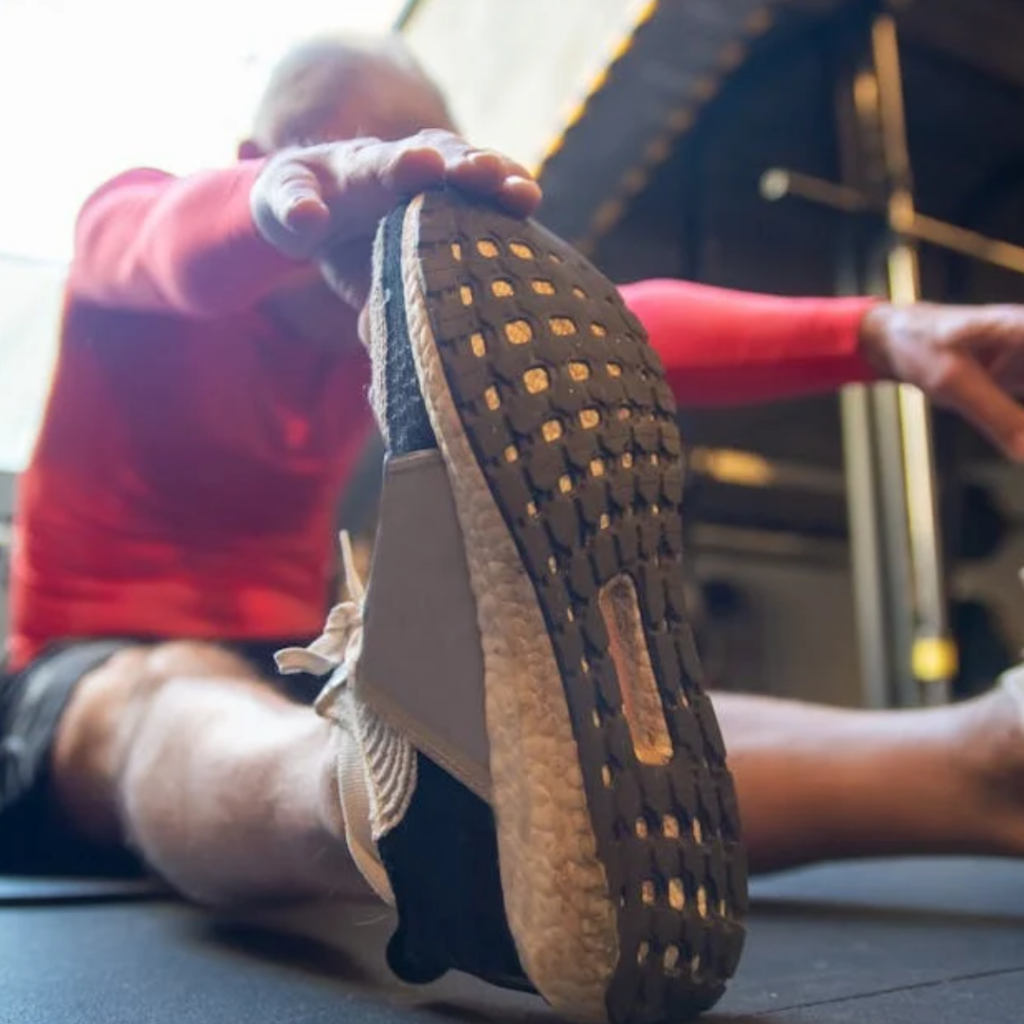
Winter surfaces can be unpredictable: snow, ice, and slush can all lead to slips and falls. When selecting winter footwear, prioritize boots with non-slip, textured rubber soles that provide excellent traction. A stable sole helps prevent falls and ensures you stay upright even when winter sidewalks get treacherous.
4. Focus on Proper Fit
Peripheral neuropathy can make it difficult to feel when footwear is too tight or too loose. A well-fitted shoe is essential to avoid blisters, pressure sores, or other foot injuries. Look for adjustable boots with laces or velcro straps that allow you to find the right fit.
Nerve Renewal Tip: It’s a good idea to try on shoes at the end of the day, as feet can swell, ensuring you have adequate space.
5. Opt for Lightweight Boots
Heavy winter boots can make walking more cumbersome and tiring, especially for those dealing with neuropathy. Lightweight boots provide warmth and protection without adding strain to your legs and feet. Aim for boots that offer a balance of warmth, support, and lightness, making it easier to maintain mobility throughout the day.
6. Avoid Seams and Pressure Points
Peripheral neuropathy can make feet more susceptible to irritation from seams or pressure points. When shopping for winter footwear, look for seamless options or boots designed with smooth interiors, such as hiking boots, winter walking shoes, or orthopedic winter boots. Reducing friction and irritation helps prevent any further discomfort or injury to your sensitive feet.
7. Consider Waterproof Features
Wet feet often means cold feet, increasing your discomfort and the risk of complications. Choose waterproof or water-resistant winter boots to keep your feet dry while navigating snowy or rainy winter days. Footwear made from treated leather or synthetic materials with waterproof coatings is ideal for keeping moisture out.
Remember to pair your winter boots with warm, moisture-wicking socks to keep your feet comfortable and dry. Wool or synthetic blends are often good choices, as they help retain heat and keep moisture away from your skin. If you’re unsure which boots are best for you, consider consulting with a foot care specialist for personalized recommendations.
At Nerve Renewal Neuropathy Clinic, we’re here to help you manage your neuropathy symptoms and stay comfortable year-round. Together, we can work towards keeping you mobile, active, and independent no matter the season.